Eventbrite
How do people decide to go out, and bring everyone with them? This effort chased that question through a series of bold mobile ticketing prototypes, each one testing a hypothesis about how people find events, decide fast, and bring their friends.
Eventbrite is the self-service marketplace where anyone can create, promote, and sell tickets to live events.
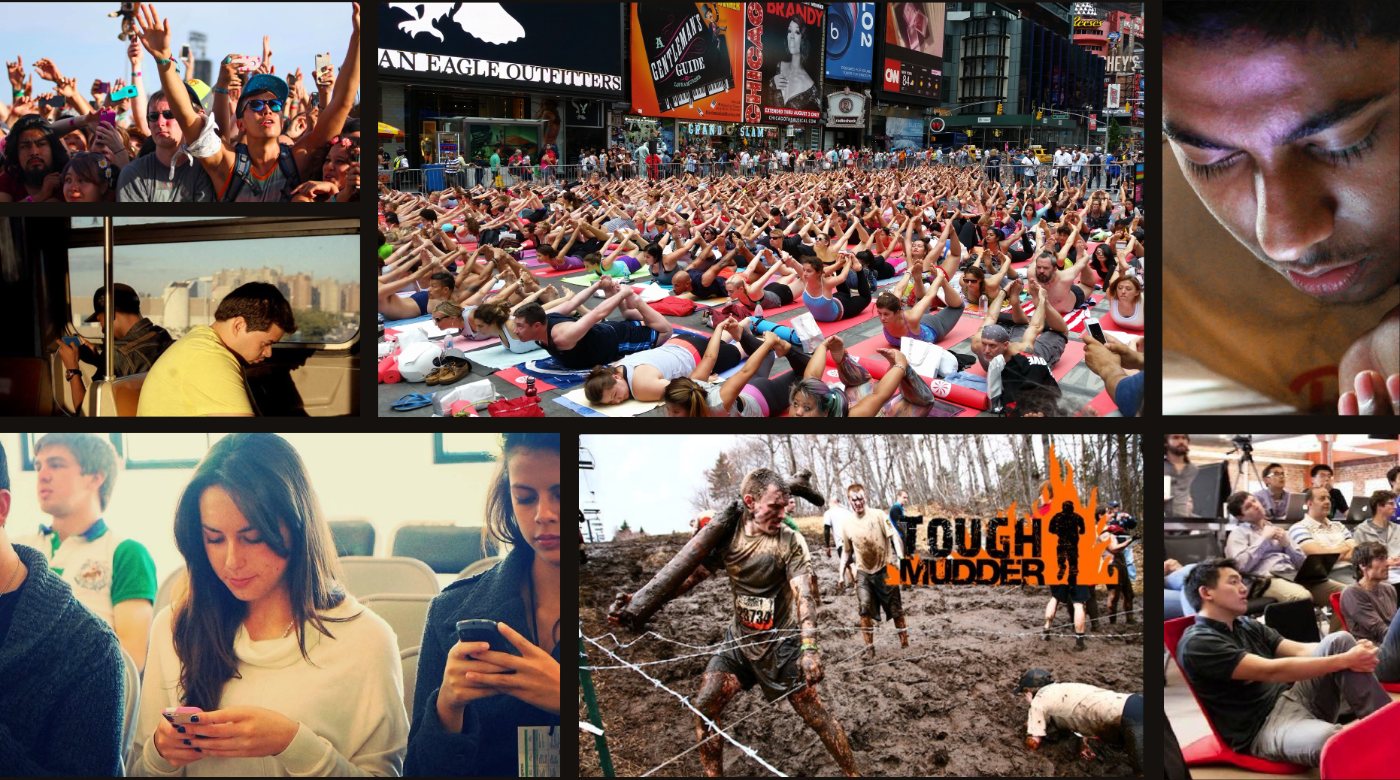
Eventbrite has historically invested in its event organizers. This effort looked at the other side of the marketplace, the attendees, and one person in particular: the social leader who hears about something and rallies everyone else to come.
As the primary designer, I owned the work end-to-end. The screens here are those prototypes, not a single shipping product, and together they helped the consumer business win more investment inside the company.
- End-to-end product design
- Consumer research and the leader's journey
- Four design sprints, concept to prototype
- Rapid, testable mobile prototypes
- The consolidated prototype from the sprints
Every group has a leader, the friend who finds the thing and brings everyone else along.
They bring friends and colleagues, they decide on their phones in spare minutes, and they show up in wildly different ways, from a Tough Mudder to yoga in Times Square. The sprints chased that range.
To ground the sprints, I mapped the leader's journey end-to-end: every stage where someone discovers an event, rallies their friends, and gets everyone there.
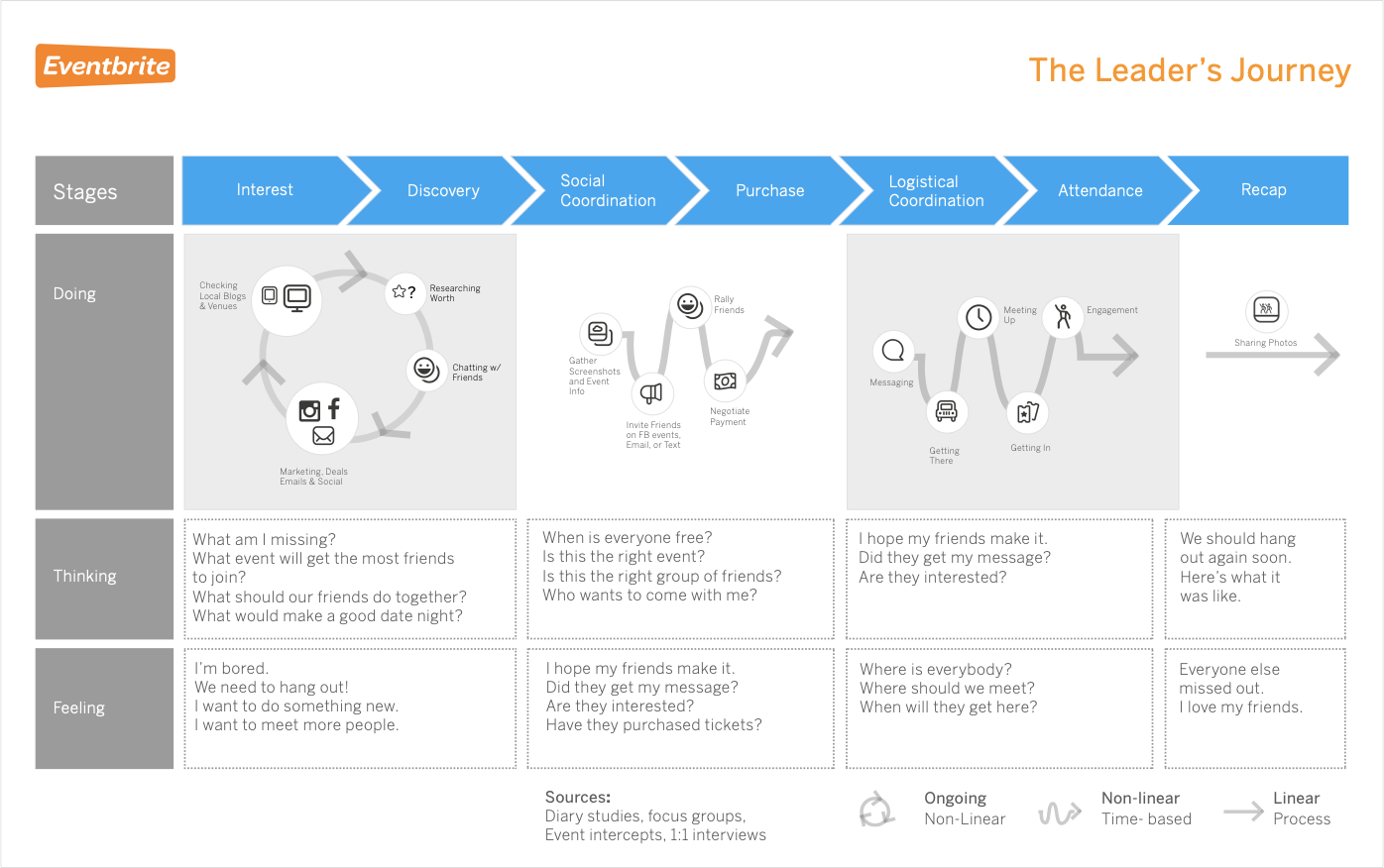
Each one a set of questions, turned into a prototype
Every sprint opened with a few "how might we" questions about consumer behavior, then closed with something we could put in front of people.
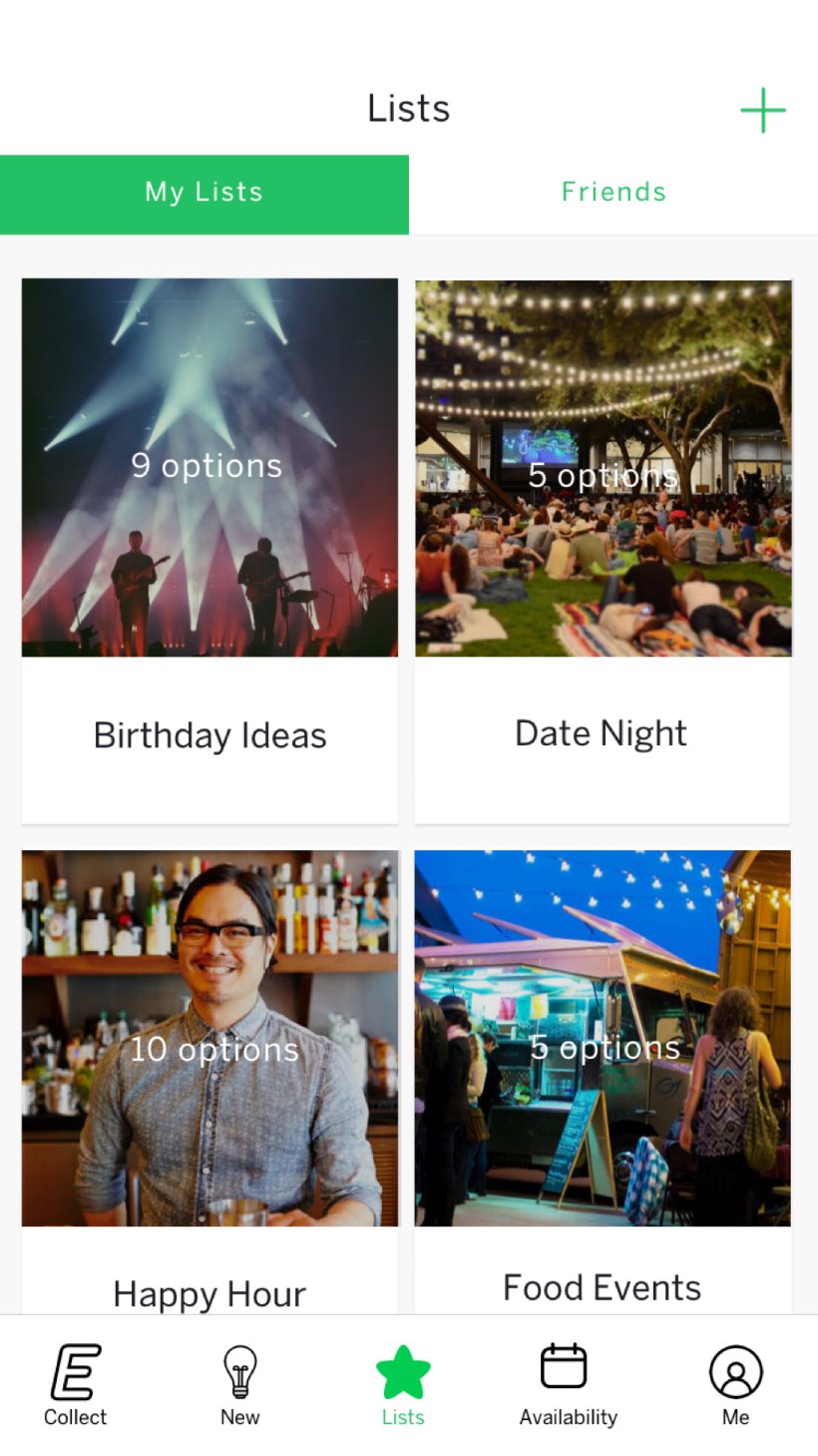
Collections
- ›How interested are people in collecting events?
- ›How might we include competitive inventory?
- ›Will friends share calendars?
- ›How can we stay informed?
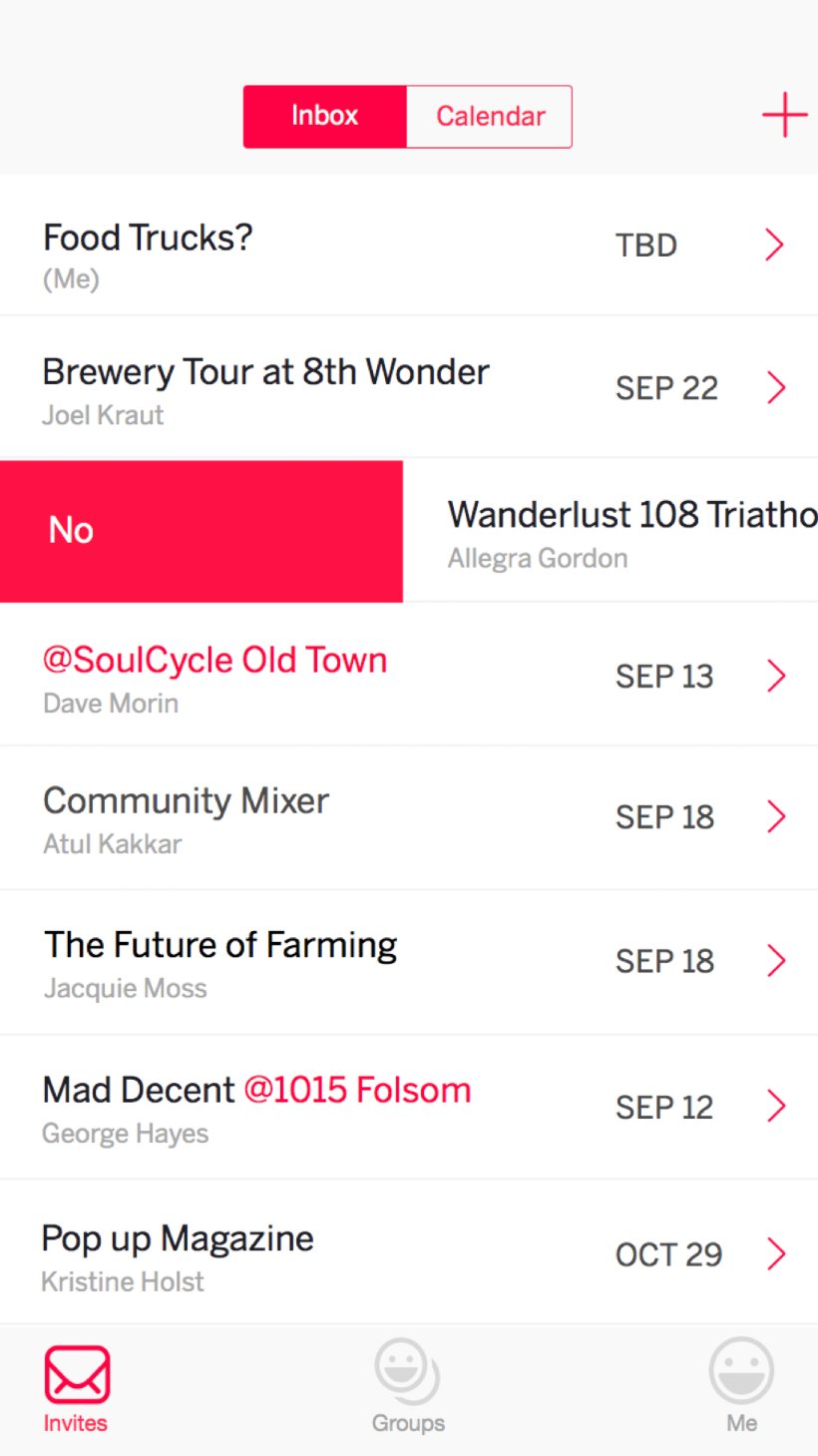
Inbox
- ›How might we simplify event coordination?
- ›How can we avoid RSVP, while limiting flakiness?
- ›How can we better understand friend groups?
- ›How might we make events more visually expressive?
Proof
- ›How might we share social proof?
- ›What types of ratings and reviews are most helpful?
- ›How can we simplify navigation by leveraging context (time + place)?
- ›How can we improve recommendations through reminders and dismissing?
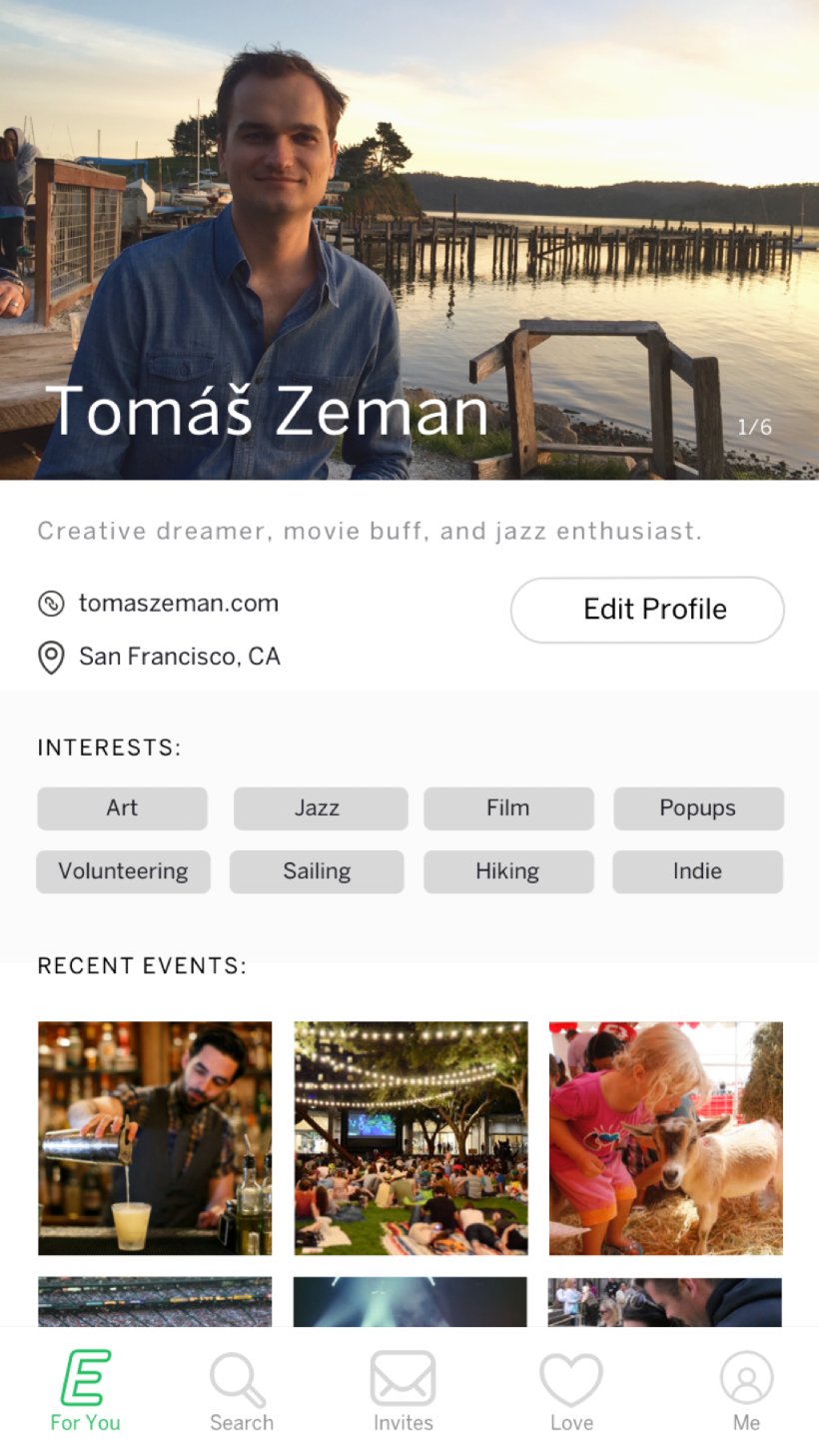
A taste-based profile fed recommendations, while ratings, reviews, and friends' activity surfaced the social proof people needed to trust the call.
Exclusives
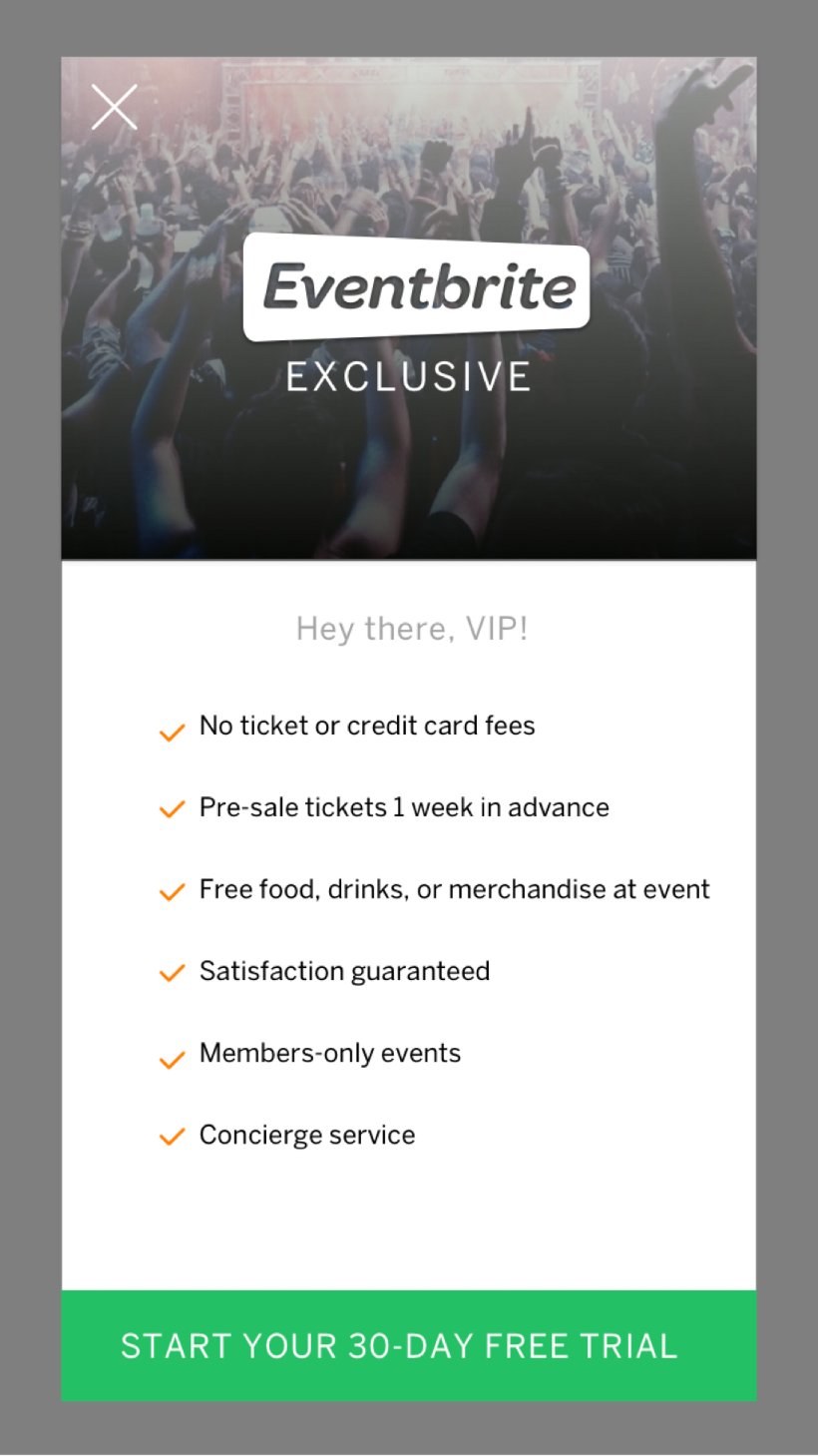
- ›What membership club benefits are most appealing?
- ›How can occasions and seasonality influence attendance?
- ›How might urgency signal intent to purchase or attend?
Prototyping the whole arc of going out
Read together, the four sprints sketch one journey: collect what catches your eye, plan it with friends, trust the call, and get rewarded for showing up. Fast prototyping let the team feel each idea as a real product before committing to any of it. Run as a startup within a startup, the work reshaped how the consumer org operated, not just what it shipped.