Modsy
Interior design was expensive and hard to picture before you committed. Modsy dramatically reduced its cost: photograph your room and see real, shoppable furniture rendered into your space before you buy.
Modsy was a Comcast Ventures- and GV-backed startup pairing real stylists with lifelike 3D renders of your own room.
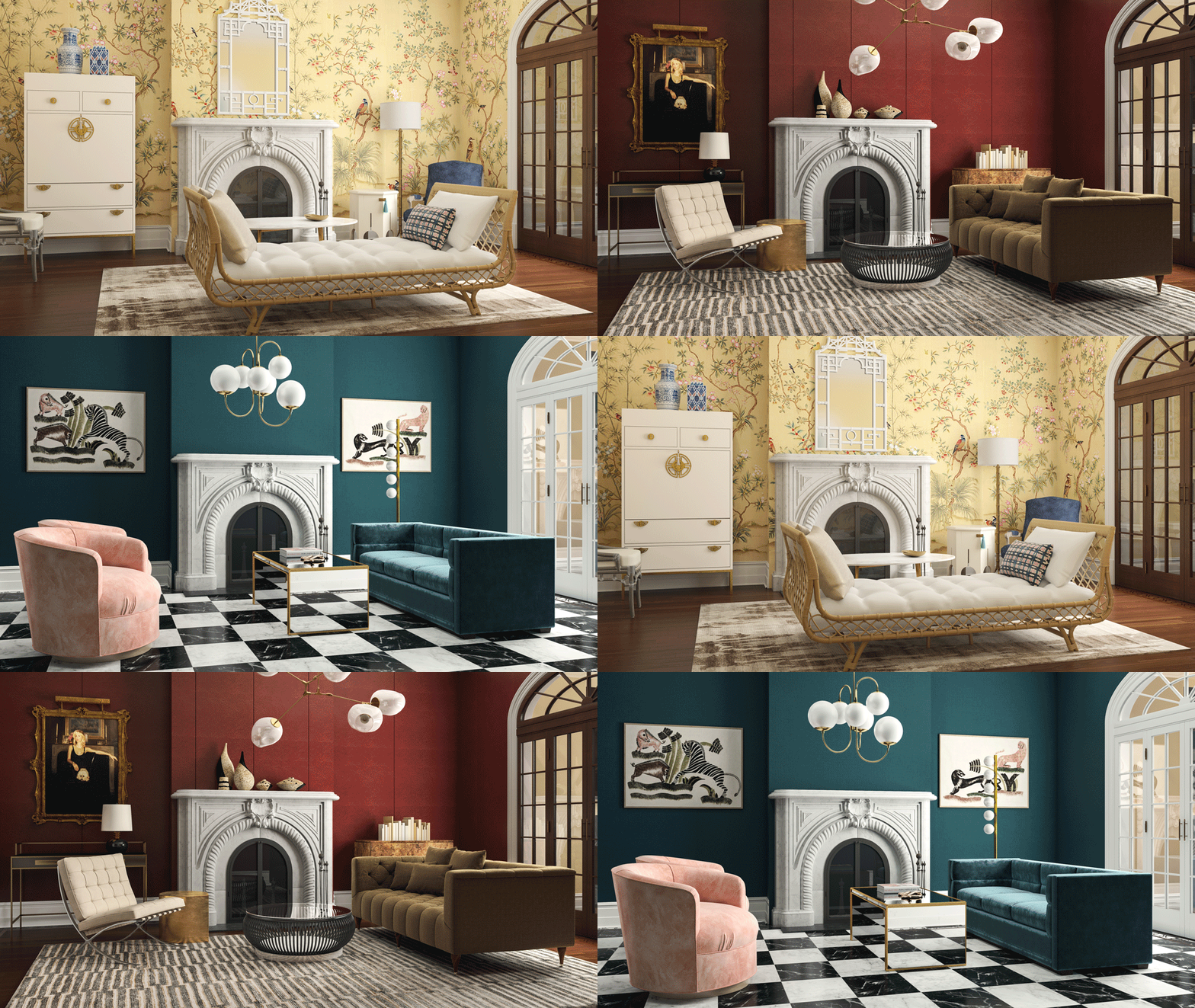
The promise was simple; the system behind it was not. Computer vision read your room, proprietary rendering rebuilt it in 3D, and style algorithms and real stylists filled it with products you could actually buy. Design's job was to hide all of it, so restyling your home felt as effortless as browsing.
I led product and brand across the company, from the 3D editor people designed in, to the marketing explaining it, to the experience as it scaled.
- The 3D style editor and 2D shoppable view
- The marketing site and onboarding redesigns
- Custom operations and CS software
- The e-commerce rollout
- Crate & Barrel and CB2 3D designer, powered by Modsy
- Stylist-led personalization
- Brand creative, and building the team
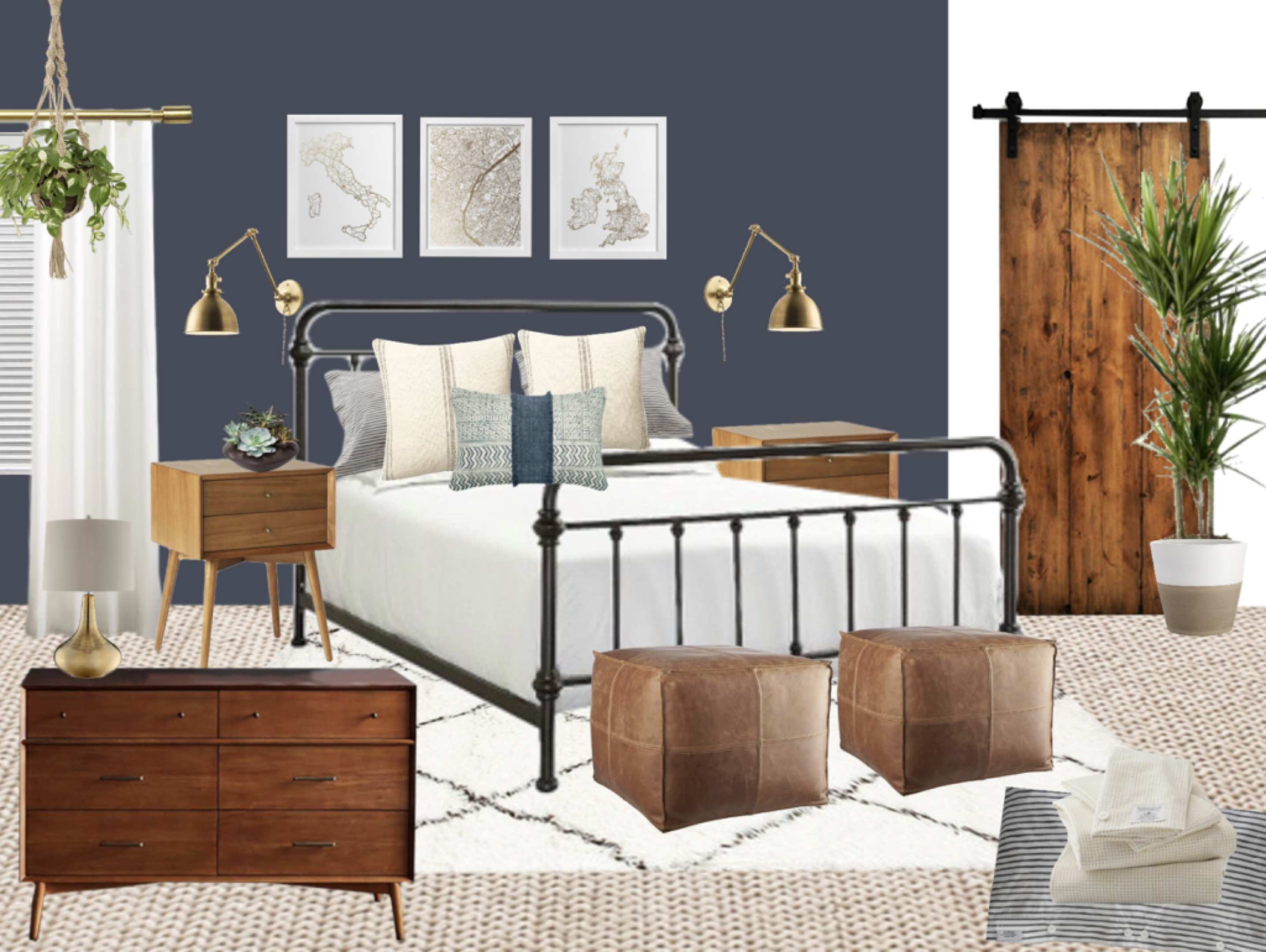
Before Modsy, you got a mood board and imagined the rest
Interior design was communicated as a flat collage of products on a colored background. It could look beautiful, but it never showed the one thing that mattered: how any of it would actually look, and fit, in your own room. Pictured is a board from Decorist, an early competitor later acquired by Bed Bath & Beyond.
Your room, in 3D, with real furniture in it
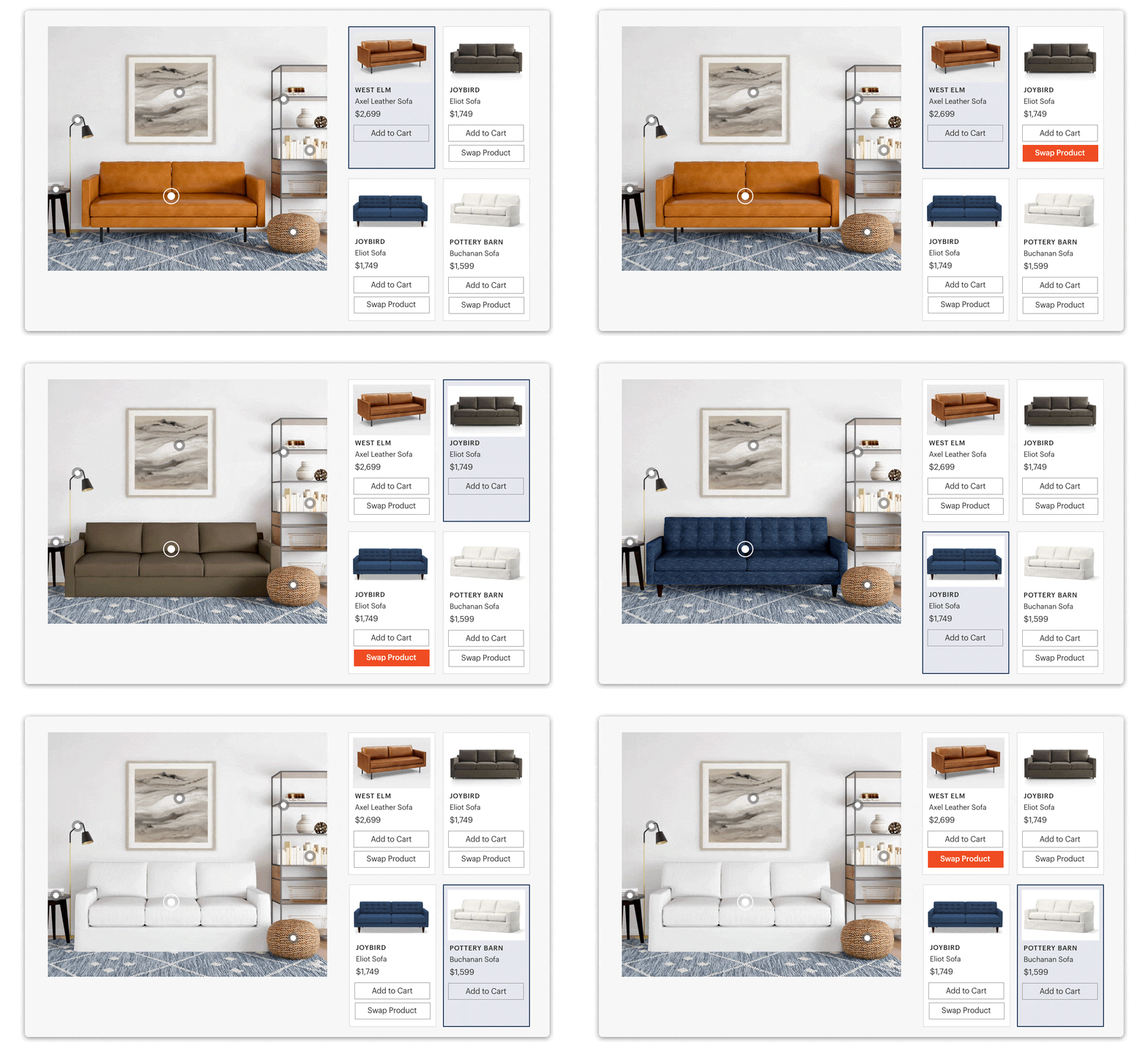
People saw their actual space from multiple angles, swapped any piece for a real product, and added it to cart. Design and shopping became the same act.
People wanted it simpler, and done for them
The full 3D editor was powerful but asked a lot. Research made two things clear: a flat 2D view was easier to shop than the 3D environment, and many people didn't want to arrange furniture themselves. They wanted it done for them. So we evolved toward a simpler 2D shoppable view, with hotspots to explore and swap products and a more stylist-led experience, while keeping the core benefit of 3D: seeing real pieces accurately in your own room.
Styled for you, not from a template
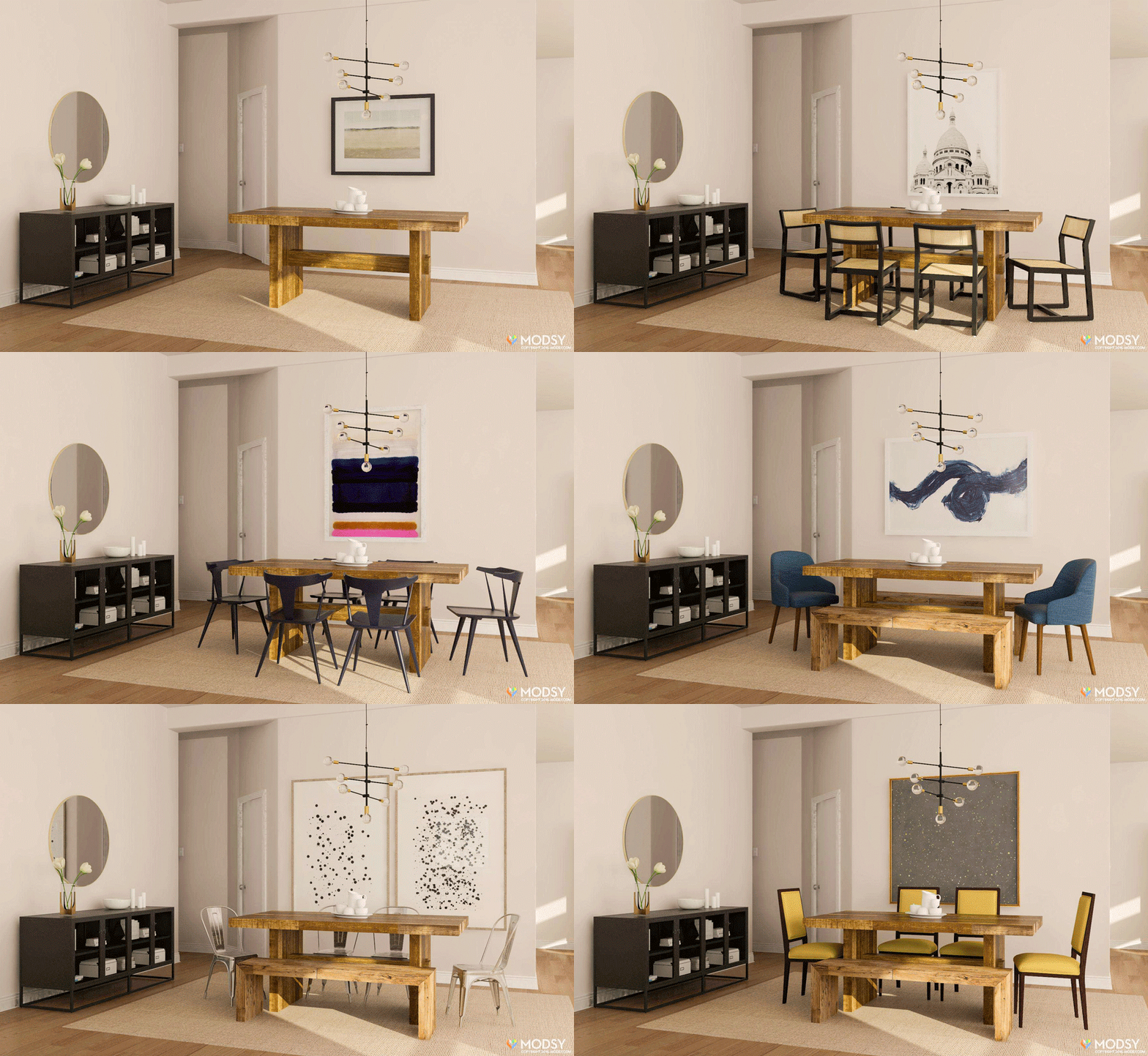
Behind every design was a real stylist working from your space and your needs: the style you were going for, existing pieces you wanted to keep, and the budget you had in mind. They restyled the same room in very different directions and mixed pieces across brands. One idea we tested: the table and chairs don't need to match. Real rooms are layered, and a stylist could compose that in a way a template never could. To keep it fast, they worked from a style-matching algorithm, a library of previously styled rooms, and curated vignettes, so a polished, personal room came together in minutes.
Making people understand what Modsy was
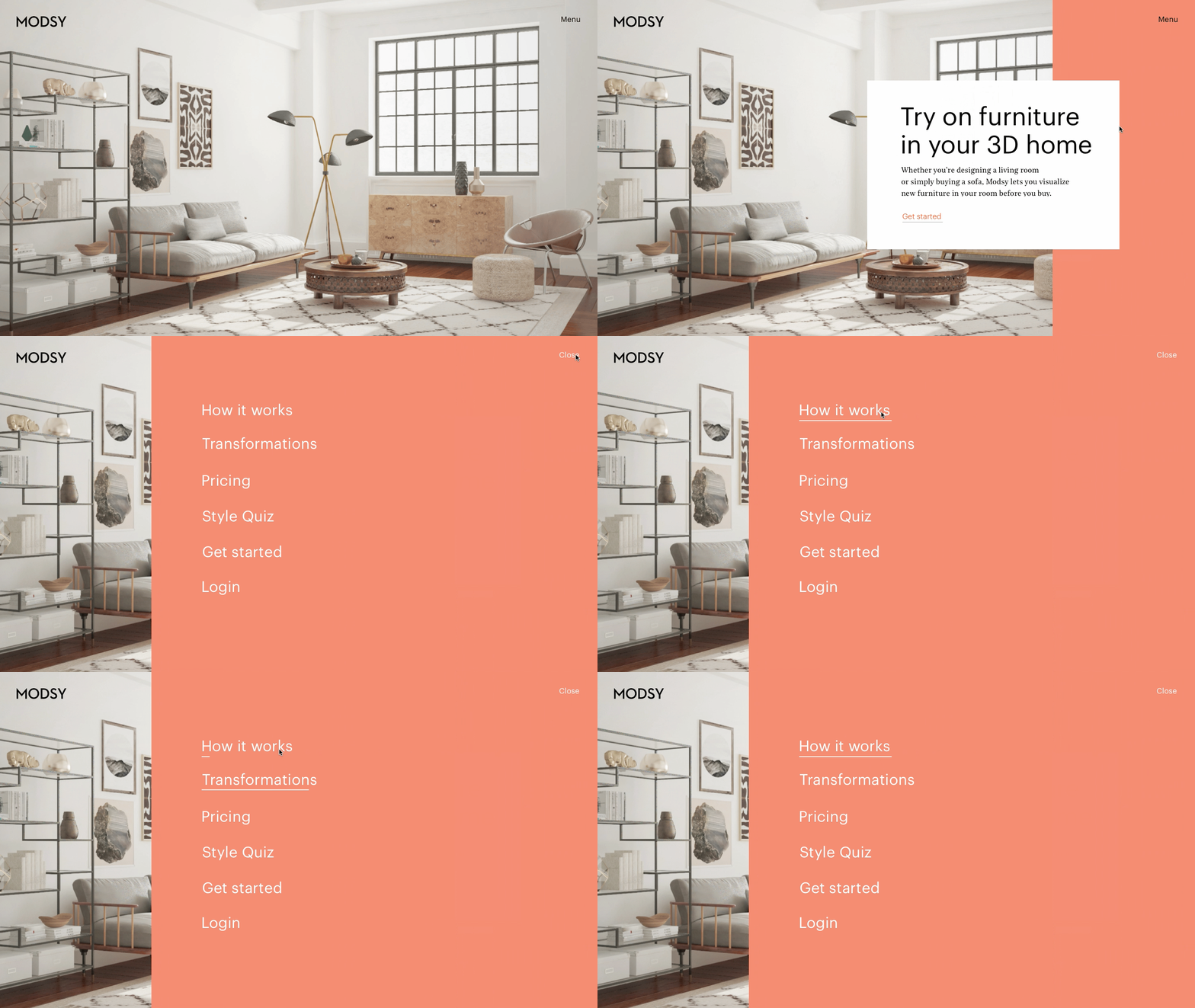
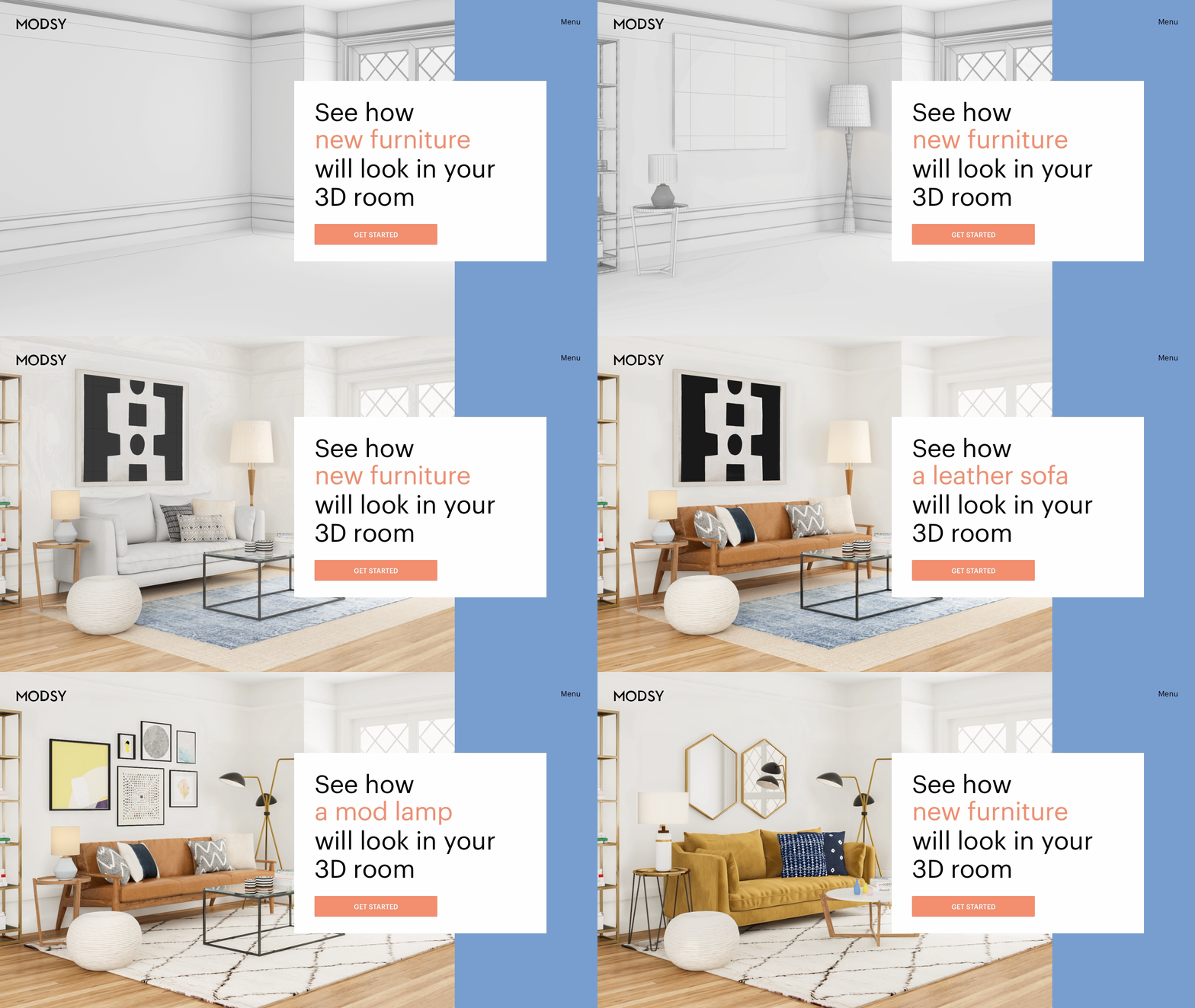
The first redesign of the site was elegant but left the real question unanswered: what is Modsy, and how is it different from ordinary interior design? The point people needed to get: it's your exact home in lifelike 3D, not a photo, so you can see whether a piece fits, then change it around your style, budget, and needs.
The creative evolved to say exactly this: try on furniture in the room you actually live in. To get there, I assembled Modsy's creative team for the first time, a creative director, 3D designer, stylist, content designer, and brand designer, aligned around one story. With the full craft in the room, the brand could finally communicate its true uniqueness, and the marketing said the same thing the product delivered. The result felt distinctly, and defensibly, Modsy.
Scaling between Series A and B
I led design between the company's Series A and Series B. In that window, Modsy partnered with West Elm and Crate & Barrel, powered CB2's 3D room designer, and was featured in The New York Times, on the Today Show, and in BuzzFeed. The company was later acquired by Lennar in 2023.